Chobe vs Kruger: Which Is Better for a Self-Drive Safari?
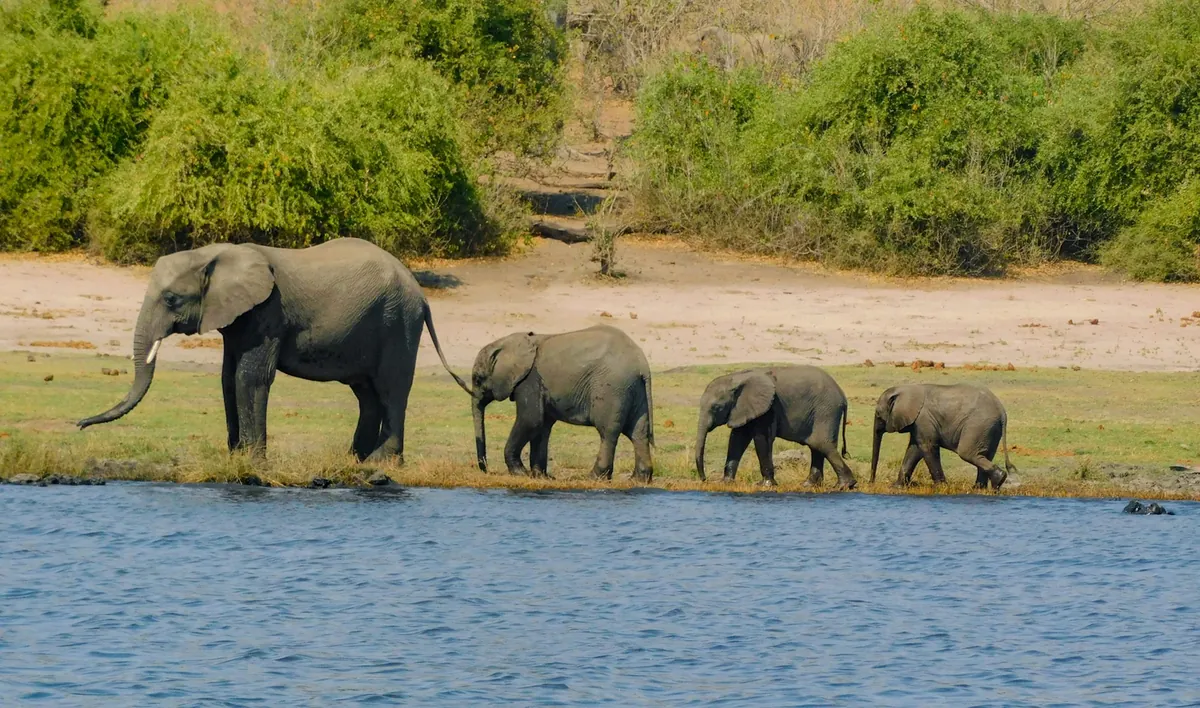
Chobe National Park in Botswana and Kruger National Park in South Africa are two of the most popular self-drive safari destinations on the continent. Both deliver extraordinary wildlife encounters. Both are accessible to first-time self-drivers. But they offer fundamentally different experiences. Here is an honest comparison to help you choose.
Wildlife: What You Will See
Chobe: Famous for elephants. The Chobe riverfront during the dry season (June to October) hosts the densest elephant concentrations in Africa. Herds of 100 to 300 are routine. You will also see hippo, crocodile, buffalo, giraffe, and a variety of antelope. Lion and leopard are present but sightings require patience and some luck. The Savuti area (technically part of Chobe) is renowned for predator action.
Kruger: The Big Five park. Kruger has healthy populations of lion, leopard, elephant, rhino, and buffalo. The southern section (Lower Sabie, Skukuza, Satara) is particularly productive for predator sightings. Kruger's advantage is diversity: you can reasonably expect to see 30 to 40 mammal species in a week. Rhino sightings, while reduced by poaching pressure, are still possible. Chobe has no rhino.
Verdict: Kruger wins on species diversity and Big Five potential. Chobe wins on sheer spectacle, particularly elephants.
Roads and Driving Experience
Chobe: A mix of sandy 4x4 tracks and gravel roads. The riverfront loop is accessible in a high-clearance 2WD during the dry season, but most of Chobe's interior (and certainly the Savuti section) requires a capable 4x4. Sand driving skills are helpful. Speed limit is 40 km/h on most tracks.
Kruger: Kruger has an extensive network of tarred main roads and well-maintained gravel secondary roads. A standard sedan can handle the tar roads, and a regular SUV manages the gravel routes easily. No 4x4 is required anywhere in the park. Speed limit is 50 km/h on tar, 40 km/h on gravel.
Verdict: Kruger is significantly easier to drive. If road difficulty concerns you, Kruger is the better choice.
Costs
Chobe: Park fees are USD 13 per person per day (international visitors). Camping is around USD 10 per person per night at DWNP campsites. Vehicle rental for a properly equipped 4x4 with rooftop tent runs USD 120 to 180 per day. Fuel in Botswana is roughly USD 1.00 per litre.
Kruger: Park fees (conservation levy) are ZAR 440 (roughly USD 24) per person per day. Camping ranges from ZAR 350 to 600 (USD 19 to 33) per person per night, but Kruger offers comfortable bungalows and chalets as well. A standard rental car costs USD 30 to 50 per day. Fuel in South Africa is roughly USD 1.10 per litre.
Verdict: Kruger is cheaper overall, primarily because you do not need an expensive 4x4 rental. Chobe's vehicle costs push the daily budget higher.
Accommodation
Chobe: Basic campsites with minimal facilities. Ihaha and Savuti camps have pit latrines and cold showers (sometimes no water at all). The experience is raw and wild. Elephants regularly walk through camp. There are no shops, restaurants, or electricity at park campsites.
Kruger: Well-equipped rest camps with electricity, hot showers, swimming pools, restaurants, shops, and petrol stations. You can choose between camping, safari tents, bungalows, and luxury units. Kruger feels more like a well-run national park system; Chobe feels like the African bush.
Verdict: Kruger wins for comfort. Chobe wins for wilderness authenticity.
Crowds
Chobe: The riverfront area gets busy during peak season (July to September), especially with day-trip vehicles from Kasane. But move beyond the riverfront into the Savuti or Linyanti areas and you may not see another vehicle all day. Campsite numbers are strictly limited.
Kruger: Kruger receives over 1.8 million visitors per year. During South African school holidays and long weekends, popular sightings can attract 20 to 30 vehicles. The southern section is significantly busier than the north. Even midweek in low season, you will share the roads with other visitors.
Verdict: Chobe is quieter once you leave the riverfront. Kruger's accessibility means more traffic.
The Bottom Line
Choose Chobe if: You want a wild, raw, off-grid experience with massive elephant herds and do not mind basic facilities. You have some 4x4 experience or are willing to learn. You want to combine it with Moremi and the wider Botswana circuit.
Choose Kruger if: You are a first-time self-driver who wants easy roads, comfortable accommodation, and the best chance of seeing the Big Five. You prefer having amenities nearby. You are budget-conscious.
Both parks deliver exceptional safari experiences. Neither is the wrong choice. The question is simply what kind of adventure you are looking for.