Why Botswana Is the Best Country for First-Time Self-Drive Safari
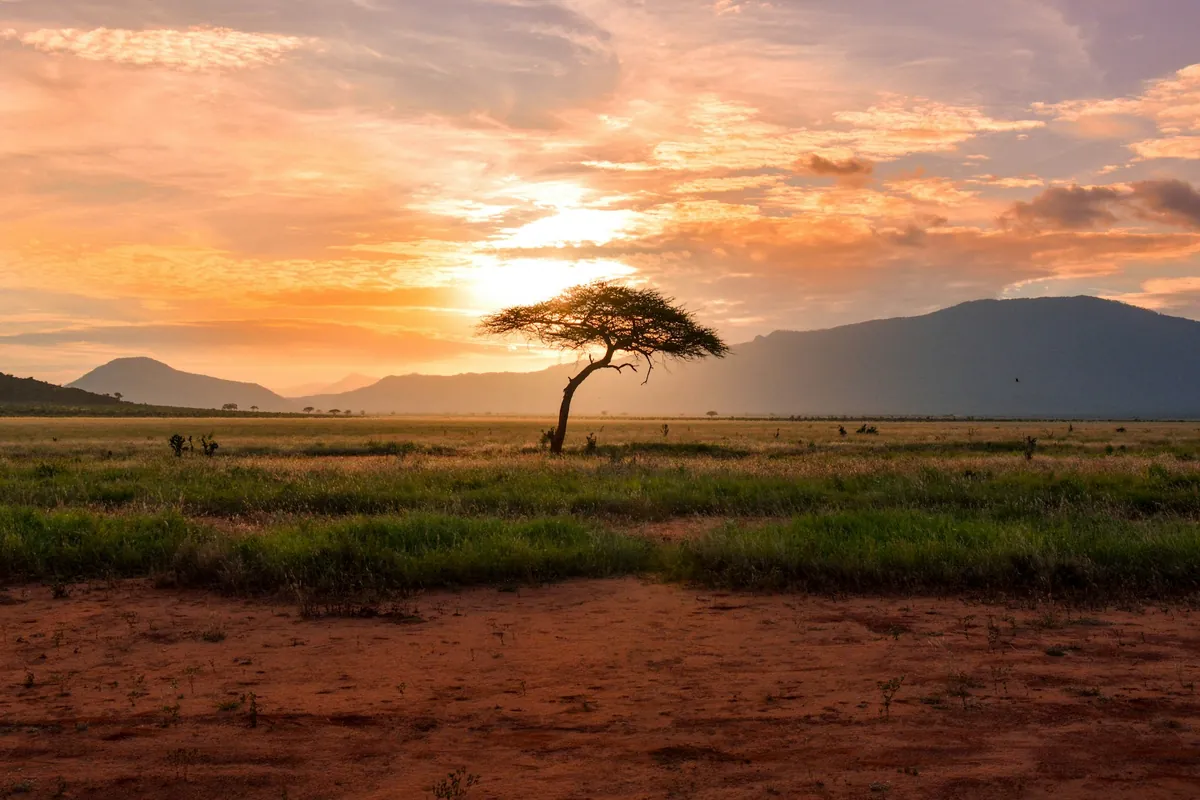
When people picture a self-drive safari, they often imagine getting hopelessly lost on some nameless track in the middle of the African bush. The reality in Botswana is far more welcoming than that. While it is undeniably wild, Botswana has quietly built one of the most accessible self-drive safari frameworks on the continent. And the wildlife? It is genuinely among the best on Earth.
The Roads Are Better Than You Think
Let's address the biggest concern first: the roads. Botswana's main national park routes in Chobe and the northern circuit are well-maintained gravel and sand tracks. Yes, you need a 4x4 with high clearance. No, you do not need to be a rally driver. The main roads between Maun, Nata, and Kasane are tarred and in excellent condition. Inside the parks, you are driving at 20 to 40 km/h on tracks that thousands of self-drivers navigate every year.
The exception is Moremi Game Reserve during the wet season (November to March), where black cotton soil and river crossings can genuinely test your skills. But from April to October, even first-timers manage Moremi's main routes without drama. Third Bridge, Xakanaxa, and South Gate are all connected by sandy but navigable tracks.
Wildlife Density That Rivals Anywhere
Botswana has the largest elephant population in Africa, estimated at over 130,000. The Chobe riverfront during the dry season hosts some of the densest elephant congregations on the planet. Herds of 200 or more gather along the river, swimming, playing, and feeding within metres of your vehicle.
Beyond elephants, the Okavango Delta and its surrounding concessions harbour massive populations of lion, leopard, wild dog, buffalo, and a staggering variety of antelope species. Moremi Game Reserve alone is home to all of the Big Five. Wild dog sightings in the Khwai Concession are so reliable that researchers have documented multiple packs denning within a few kilometres of the main campsites.
A Self-Drive Culture That Supports You
Unlike some African countries where self-driving is technically possible but practically unsupported, Botswana has a thriving self-drive rental industry. Companies like Bushlore, Safari Car Rental, and Travel Africa 4x4 operate out of Maun and offer fully equipped vehicles with rooftop tents, fridges, GPS units, and recovery gear. Most include comprehensive briefings on park navigation and road conditions.
Fuel stations are spaced along the main routes (Maun, Nata, Kasane), and while you absolutely need to carry extra fuel for park circuits, the logistics are straightforward once you understand the distances involved.
Campsite Booking Is Centralised
Botswana's national parks and game reserves use a centralised booking system (currently managed by the Department of Wildlife and National Parks). You can book campsites months in advance, and the system, while not always intuitive, works reliably. This is a significant advantage over countries where campsite allocation involves showing up and hoping for the best.
Peak season campsites (June to September) at popular spots like Third Bridge, Savuti, and Ihaha fill up three to six months in advance. Book early, and you will have confirmed pitches waiting for you.
Safety and Stability
Botswana is one of the most politically stable countries in Africa. It ranks consistently high on governance indices and has a well-functioning police force. Violent crime against tourists is exceptionally rare. The biggest safety concerns are wildlife-related: elephants in camp, hippos near water, and the occasional lion strolling through a campsite. These are managed through common-sense practices that every rental company covers in their briefing.
The Cost Equation
Botswana is not cheap. Park fees, vehicle rental, and fuel add up. But compared to the alternative of booking guided mobile safaris or fly-in lodge packages (which can run USD 800 to 2,000 per person per night), self-driving is dramatically more affordable. A two-person self-drive safari can cost USD 150 to 250 per day all-in, giving you access to the same wildlife and landscapes that lodge guests pay ten times more to experience.
The Bottom Line
No country is perfect for every traveller. But if you want genuine wilderness, top-tier wildlife, manageable roads, and a well-established self-drive support system, Botswana ticks every box. It rewards careful planning with experiences that rival the most expensive safari packages on the continent. Start with the northern circuit (Chobe to Savuti to Moremi), give yourself at least seven days, and let the bush do the rest.