Top 5 Mistakes People Make on Their First Self-Drive Safari
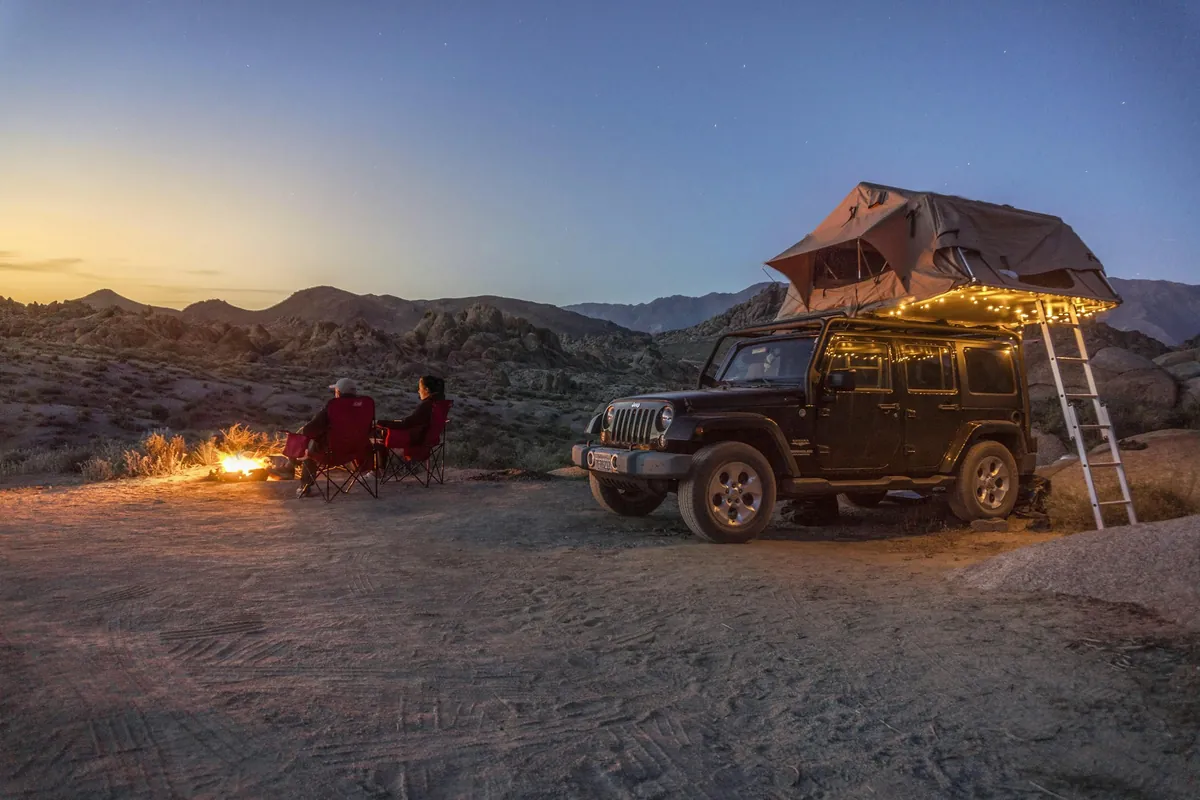
A self-drive safari in Botswana is one of the most rewarding travel experiences you can have. But it is also one where small planning oversights compound into genuine problems. After years of hearing from travellers (and making some of these mistakes ourselves), here are the five most common errors and how to avoid them.
1. Underestimating Fuel Distances
This is the single most common mistake. The distance between Maun and Savuti camp is roughly 350 km, but inside the park you are driving on sand tracks at 20 to 30 km/h. Fuel consumption on soft sand can double compared to tar roads. A vehicle that manages 12 litres per 100 km on tar might burn 22 to 25 litres per 100 km in deep sand.
The fix: carry at least 40 litres of extra fuel in jerry cans. Fill up at every opportunity. Calculate your range based on worst-case consumption, not highway figures. The Maun to Savuti to Kasane circuit has no fuel between Maun and Kasane, a distance of roughly 500 to 600 km depending on your route through the parks.
2. Arriving at Campsites After Dark
National park gates close at 6:30 PM, and driving after dark inside parks is prohibited. But even apart from regulations, arriving at a campsite after sunset means setting up your tent, kitchen, and camp in the dark, surrounded by wildlife you cannot see. Elephants, hyenas, and hippos are all active after dark.
The fix: plan your driving days so you arrive at camp by 3:00 to 4:00 PM at the latest. This gives you daylight to set up, explore the immediate area, and settle in before sunset. If your planned route involves more than six hours of park driving, break it into two days.
3. Skipping the Vehicle Briefing
Rental companies offer detailed briefings on the vehicle, including how to operate the diff lock, engage low range, use the air compressor, and deploy recovery equipment. Some travellers, eager to get on the road, rush through this or skip it entirely. Then they get stuck in sand and do not know how to lower their tyre pressures or use the sand tracks.
The fix: spend the full hour (or more) on the briefing. Ask to practice engaging 4x4 modes in the yard. Film the key steps on your phone for reference. Make sure you know where every piece of recovery gear is stored and how to use it.
4. Over-Planning the Itinerary
Trying to see every corner of Botswana in 10 days is a recipe for exhaustion. You end up spending more time driving between locations than actually watching wildlife. The best sightings happen when you are patient, sitting at a waterhole for an hour, driving the same loop road at dawn and dusk, or simply staying put while a herd passes your vehicle.
The fix: pick two or three areas and spend at least two nights at each. A 10-day trip covering Chobe, Savuti, and Moremi with two to three nights at each is far more rewarding than a frantic circuit touching six or seven locations with one night stops.
5. Not Carrying Enough Water
Botswana is hot, dry, and remote. If you break down or get stuck, help might be hours away. Dehydration is a real risk, especially from September to November when daytime temperatures exceed 35 degrees Celsius. Some campsites have water, but it is not always drinkable, and bore holes can be out of service.
The fix: carry at least five litres of drinking water per person per day, plus extra for cooking and washing. A 20-litre jerry can per person for a week-long trip is a good baseline. Top up at every opportunity.